Pole Barns or post frame building

To complete the look of the building there are over 20 colors and different panel styles to choose and over 30-year paint warranty on the steel panels.

Sizes vary from as small as 24 wide by 24 long and 8 feet tall to almost as large as needed. A key benefit of the post frame is to have a clear span, which means that there are no supports in the middle of the building.

Post-frame buildings can be designed to be highly energy efficient. Options such as insulated wall and roof panels, energy-efficient doors and windows, and proper ventilation systems can help reduce heating and cooling costs, making these buildings more environmentally friendly and cost-effective to operate.

Choosing between a wood post frame building and a steel building for a construction project involves weighing various factors including cost, durability, environmental impact, and aesthetic preferences. Here are several reasons why someone might choose a wood post frame building over a steel building:

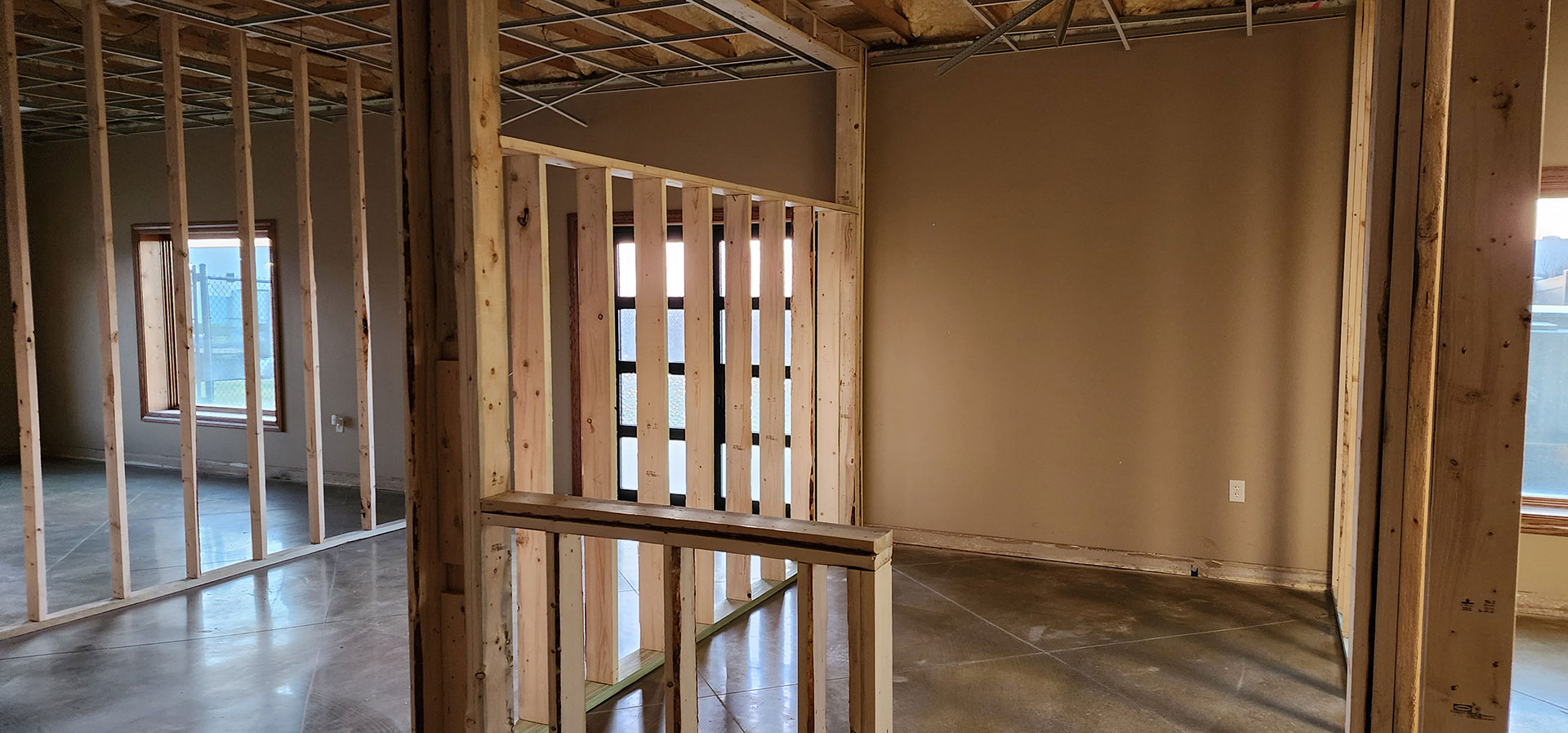
Cost Effectiveness
1

Wood post frame buildings are often more cost-effective in terms of initial material and construction costs when compared to steel buildings. Wood is a readily available material and is generally less expensive than steel, making the upfront investment lower. Additionally, the construction of a post frame building can be less labor-intensive, which can further reduce costs.

Thermal Insulation
2

Wood naturally has higher insulative properties than steel, which can lead to better energy efficiency for buildings in climates with significant temperature variations. This natural insulation helps in keeping heating and cooling costs lower, making wood a favorable option for residential or livestock buildings where temperature regulation is crucial.

Ease of Construction
3

Wood post frame construction can be more straightforward and less technically demanding than constructing a steel frame. This simplicity can translate to faster build times and potentially lower labor costs. Additionally, wood structures can be easier to modify, expand, or customize after the initial construction, providing flexibility for owners who anticipate future modifications.

Aesthetic and Traditional Appeal
4

For many applications, especially in residential and community buildings, wood offers a classic, warm aesthetic that steel might not achieve without significant extra cost. The natural look of wood can blend into rural or environmentally rich settings more seamlessly than steel, making it a desirable choice for parks, homes, and recreational facilities.

Environmental Considerations
5

While both wood and steel can be sustainable choices, wood is a renewable resource that sequesters carbon dioxide, reducing the overall carbon footprint of the building. When sourced responsibly, wood can be an environmentally friendly choice. Moreover, at the end of its lifecycle, wood can biodegrade or be repurposed more readily than steel.

Acoustic Performance
6

Wood’s natural composition can offer better acoustic properties, which is beneficial in buildings where noise reduction is important, such as in schools, churches, and residential buildings. Wood tends to absorb sound, whereas steel can reflect and amplify sound unless specifically treated or insulated for noise reduction.

Flexibility in Foundations
7

Wood post frame buildings typically require less extensive and less expensive foundations than steel frame buildings. This can be particularly advantageous on unstable soil or at locations where large concrete foundations are impractical or too costly.

Choosing a wood post frame building over a steel building is mainly influenced by considerations of cost, insulation, ease of construction, aesthetic preference, environmental impact, acoustic performance, and foundational requirements. While steel buildings offer unmatched durability and strength, wood buildings provide a sustainable, cost-effective, and flexible option suitable for many projects, particularly where warmth in design and integration with natural surroundings are desired. Each material has its unique advantages, and the choice ultimately depends on the specific requirements and constraints of the project at hand.